Hard water is water that’s loaded with calcium and magnesium minerals it picked up while seeping through limestone and chalk deposits underground. It’s not dangerous — you’re not poisoning yourself every time you drink it. But it’s absolutely the culprit behind that crusty white buildup on your faucets, the soap scum in your shower, and the slow death of your appliances. Stick around, because there’s a lot more to unpack here.
Key Takeaways
- Hard water contains elevated levels of dissolved calcium and magnesium minerals, typically picked up as water passes through limestone or chalk deposits.
- It forms underground as water percolates through mineral-rich rocks, making groundwater generally harder than surface water.
- Hard water is not a health risk; its calcium and magnesium content may even slightly boost daily mineral intake.
- It causes limescale buildup in pipes and appliances, increasing energy use and reducing the lifespan of household equipment.
- Water hardness is measured in mg/L as CaCO3, ranging from soft (0–60) to very hard (above 180).
What Is Hard Water, Exactly?
Hard water sounds like something out of a science fiction movie, but it’s actually just regular water that’s picked up too much calcium and magnesium along the way. When water flows through limestone or chalk deposits, it grabs dissolved minerals like calcite and bicarbonate compounds. Fun stuff, right? This creates two types of water hardness. Temporary hardness comes from bicarbonate minerals that dissolve into your water supply. Permanent hardness sticks around no matter what, caused by stubborn calcium and magnesium compounds that refuse to leave. Both types cause real problems. You’ve seen soap scum in your shower. That’s water hardness at work. Scale builds up inside pipes and appliances too. Basically, your water’s been collecting geological baggage the entire time it travels to reach you.
Where Does Hard Water Come From?
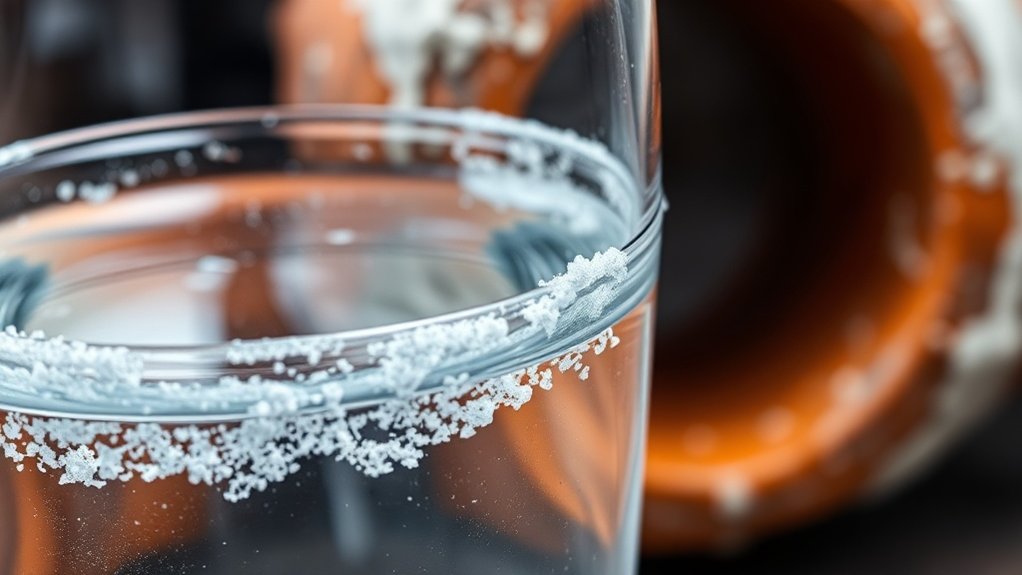
Where does hard water actually come from? Simple: the ground. When water percolates through rocks like limestone and chalk, it picks up calcium and magnesium along the way. Those minerals dissolve right into the water, quietly building up total hardness with every inch traveled underground.
Groundwater tends to be harder than surface water. Why? Longer contact time with mineral deposits. More rock contact means more calcium carbonate and other dissolved goodies hitching a ride.
Your region’s geology controls everything. Carbonate-rich rock formations? You’re getting hard water. Softer rocks? Lucky you. In the U.S., hardness varies wildly depending on local aquifers and rock composition.
And water quality? It’s directly tied to what’s underground beneath your feet. Nature’s basically running the show here.
Is Hard Water Safe to Drink?
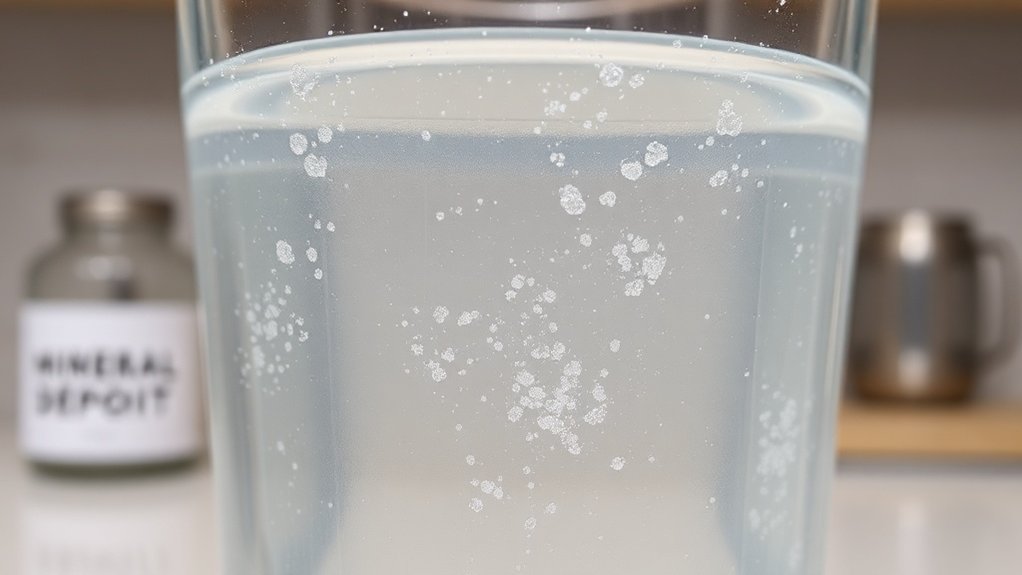
So is hard water actually going to hurt you? Short answer: no. Hardness isn’t a health risk. The calcium and magnesium dissolved in your water aren’t dangerous — they’re just minerals. You’re not poisoning yourself every time you fill a glass.
In fact, hard water’s mineral content can actually nudge your daily calcium and magnesium intake up a little. Not dramatically, but it’s something. Calcium carbonate sounds scary. It’s not.
The real drama with water hardness is scale buildup, soap scum, and weird taste and aesthetics — not your health. People chase water softeners because their pipes and appliances are suffering, not their bodies. So relax. Hard water’s annoying. It’s not trying to kill you.
What Does Hard Water Do to Your Pipes, Dishes, and Appliances?
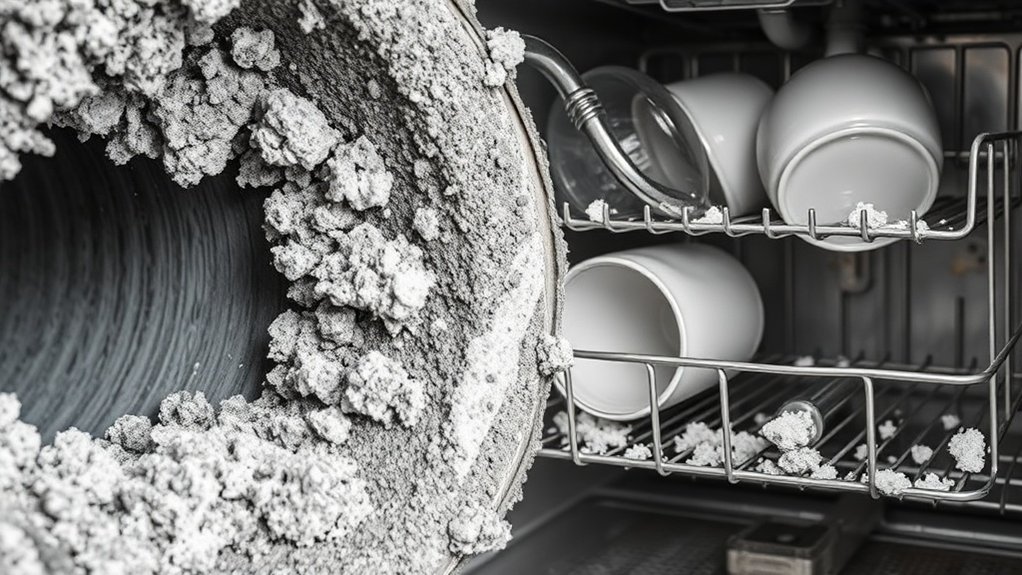
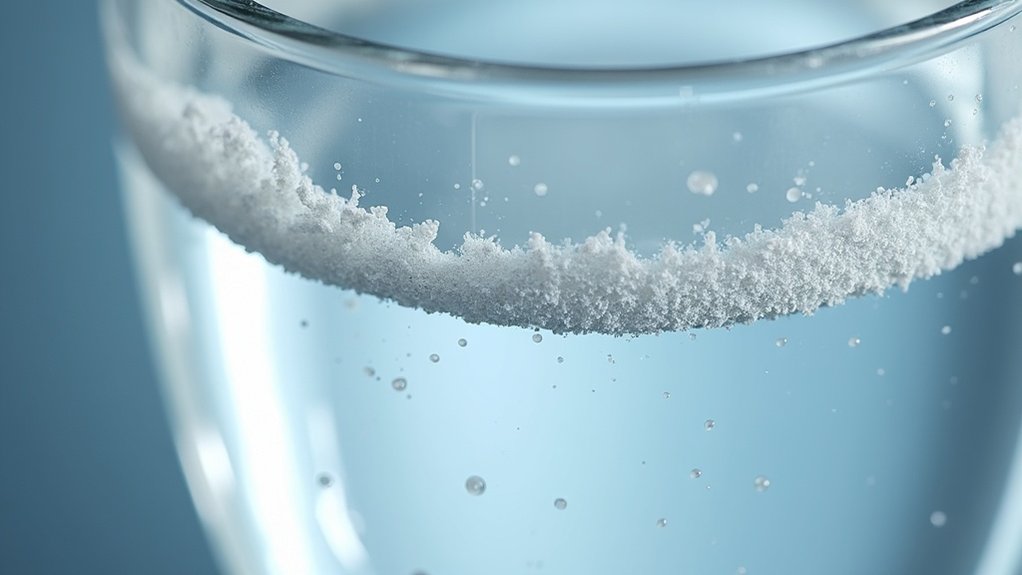
While hard water won’t hurt you, your pipes and appliances aren’t so lucky. Calcium carbonate quietly builds up inside your pipes as limescale, narrowing flow and making your water heater work harder. That costs you more energy. Fun, right?
Your dishwasher and washing machine take a hit too. Mineral buildup accumulates over time, wearing down components and shortening appliance lifespan. Hard water also reacts with soap, combining calcium and magnesium to create soap scum. Your dishes come out spotty, your clothes look dull, and your detergent barely does its job.
The damage is gradual but real. Limescale is stubborn, acidic descalers and vinegar can dissolve calcium carbonate deposits from surfaces and small parts, helping keep hard water’s worst effects under control.
How Can You Tell If Your Water Is Hard?
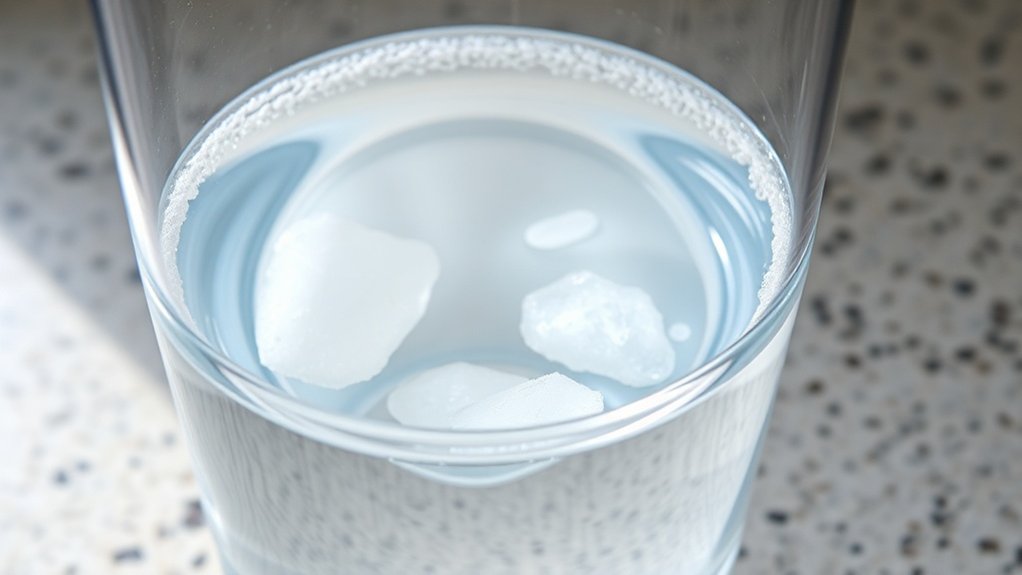
How do you know if your water is hard? Look around. Soap scum clinging to your shower walls? White mineral buildup on your dishes and faucets? That’s your water telling you something. Limescale on your fixtures isn’t a mystery — it’s calcium carbonate doing what it does. Hard water leaves evidence everywhere.
But if you want real answers, tests measure hardness using mg/L as CaCO3. The scale breaks down like this: 0–60 is soft, 61–120 is moderately hard, 121–180 is hard, and above 180 is very hard. Water hardness levels also split into two types — temporary hardness and permanent hardness. Boiling handles temporary hardness by precipitating minerals out. Permanent hardness? Not so simple. Test first. Know what you’re dealing with.
Conclusion
Hard water isn’t exactly a mystery once you know what you’re dealing with. It’s just minerals doing their thing in your pipes and appliances. Here’s a wild stat: roughly 85% of American homes have hard water. So yeah, you’re probably not alone in scrubbing that chalky residue off your faucets. Understanding what’s flowing through your taps is the first step to knowing why your dishwasher looks like it’s seen better days.